

Cape Cod Is Entering the Heart of Hurricane Season: Now Is the Time to Prepare
Published on: August 17, 2026
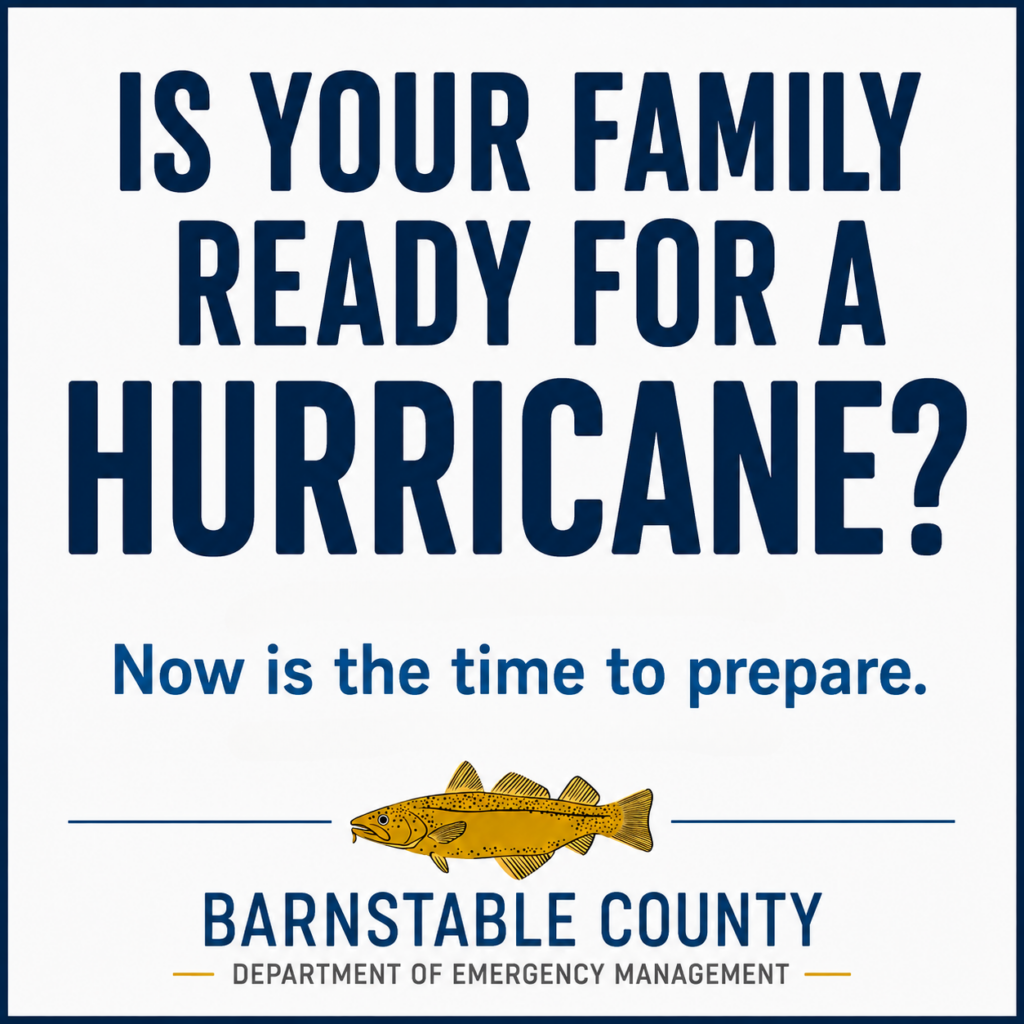
As summer continues across Cape Cod, we are also entering the time of year when the risk from hurricanes and tropical storms is greatest in Massachusetts.
Atlantic hurricane season runs from June 1 through November 30, but historically, late August through September is the most active period for hurricanes and tropical storms in Massachusetts. Across the Atlantic, tropical activity typically increases rapidly beginning in mid-August and reaches its climatological peak around September 10.
For Cape Cod and the Islands, that makes now an important time to take another look at your emergency preparations — before a storm is headed our way.
What’s Happening in the Atlantic Now?
As of Monday, August 17, there are no active tropical cyclones in the Atlantic and no immediate tropical threat to Cape Cod or the Islands, according to the National Hurricane Center.
But the Atlantic has already seen tropical activity this season, and conditions can change quickly as we move deeper into August.
That’s one reason this is an important time to prepare. Rather than waiting until a storm is approaching New England, residents and visitors can use this time to check emergency supplies, review evacuation plans and make sure they know where to get reliable information.
Why Preparedness Matters on Cape Cod
Cape Cod’s coastal geography makes our region particularly vulnerable to the impacts of tropical weather. And a storm does not have to make a direct landfall on Cape Cod — or even remain classified as a hurricane — to cause significant problems.
Strong winds, storm surge, coastal and inland flooding, heavy rainfall, dangerous surf, erosion, power outages, downed trees and transportation disruptions can all accompany tropical systems.
Cape Cod residents should also consider how coastal flooding, storm surge and erosion could affect their homes and property, particularly in coastal and flood-prone areas. Understanding your property’s vulnerability before a storm can give you more time to take protective measures.
Being prepared before a storm develops or begins moving toward New England gives residents and visitors more time to make good decisions and reduces the need for last-minute preparations.
Take a Few Minutes to Get Ready
Emergency preparedness doesn’t have to happen all at once. Start with a few basic steps:
Check your emergency kit. Make sure you have water, nonperishable food, flashlights, batteries, medications, first-aid supplies, phone chargers or backup power and other essentials. Plan for the needs of children, older adults and pets.
Make or review your family emergency plan. Know how you will communicate if family members are separated and where you would go if you needed to leave your home.
Know your evacuation zone. If you live, work or vacation in a coastal or low-lying area, find out whether you are in a hurricane evacuation zone and become familiar with possible evacuation routes.
Prepare for a power outage. Charge backup batteries, check flashlights and safely test generators and other emergency equipment before you need them.
Take a look around your property. Identify outdoor furniture, grills, decorations and other objects that may need to be secured or brought inside ahead of high winds.
Consider your coastal hazards. If your property is vulnerable to flooding, storm surge or erosion, learn about your risk and the steps you can take now to help protect your home and property.
Don’t forget medications and pets. Keep necessary medications available and include food, water, carriers, leashes and other pet supplies in your emergency planning.
Stay informed. Sign up for your town’s emergency alerts and follow trusted local, state and federal sources for weather forecasts and emergency information.
Don’t Wait for a Storm to Appear in the Forecast
Once a storm threatens New England, preparations can become more difficult. Stores may become crowded, supplies can be harder to find and there may be less time to make decisions about your home, family or evacuation plans.
The days before a storm is on the horizon are the best time to prepare.
It only takes one storm to make preparedness matter.
Take a few minutes this week to check your supplies, review your plan, understand your property’s potential coastal hazards and make sure you know where to turn for reliable information if severe weather threatens Cape Cod.
Hurricane & Coastal Hazard Resources
Visit Barnstable County Emergency Management’s Hurricane Preparedness page for emergency planning information, preparedness resources and links to Massachusetts hurricane evacuation zones.
Cape Cod homeowners can also visit Cape Cod Cooperative Extension’s Coastal Flood & Erosion Program for information about coastal flooding, storm surge, erosion, flood insurance and steps residents can take to better understand and protect their property from coastal hazards.
For current tropical weather information and official forecasts, visit the National Hurricane Center at hurricanes.gov.
Legal Disclaimer:
EIN Presswire provides this news content "as is" without warranty of any kind. We do not accept any responsibility or liability for the accuracy, content, images, videos, licenses, completeness, legality, or reliability of the information contained in this article. If you have any complaints or copyright issues related to this article, kindly contact the author above.
